
Mounting a Ring or SimpliSafe entry sensor on an interior door takes about five minutes. Mounting one on a garage door is a different problem entirely, and most of the standard advice doesn’t apply. The surface is wrong, the geometry is wrong, and the adhesive included in the box will eventually let go of a painted metal panel and drop your sensor onto the concrete floor at 2am.
This guide covers the right way to do it: which brackets work, how to position them, and what to watch for once the sensor is in place.
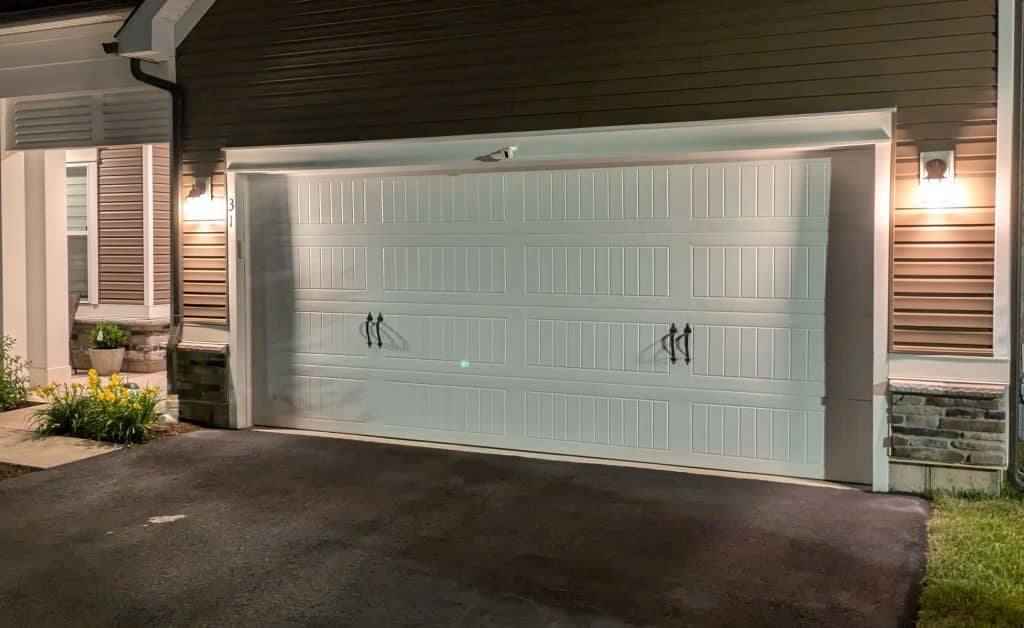
Why Garage Doors Are Different
A standard entry sensor installation assumes two flat, parallel surfaces: the door and the frame. When the door closes, both halves of the sensor end up directly across from each other with a small, predictable gap. That’s not what a garage door gives you.
Garage door panels are raised and embossed. The face of the panel isn’t flat, which means there’s no obvious flush surface to press an adhesive sensor against. The door also closes against a frame that’s set back from the panel face, so even if you find a flat spot, the gap between the sensor and the magnet when the door is fully shut can easily exceed the detection limit for both Ring and SimpliSafe.
On top of that, garage doors move constantly and with force. The vibration from opening and closing is harder on adhesive bonds than anything a typical interior door produces. A sensor that holds fine for three months can work itself loose over time, and on a painted steel panel, the factory adhesive was never well matched to the surface to begin with.
The solution is a bracket designed specifically for this application. It handles both the geometry and the mounting reliability problems at once.
The Right Bracket for Each System
| System | Bracket | Pack Size |
|---|---|---|
| Ring Alarm (2nd Gen) | Garage Door Bracket for Ring Alarm Contact Sensor | 2-Pack |
| SimpliSafe Entry Sensor | Garage Door Mounting Bracket for SimpliSafe Entry Sensors | 2-Pack |
Ring Alarm Contact Sensor (2nd Gen)
The Garage Door Bracket for Ring Alarm Contact Sensor (2nd Gen) is purpose-built for this application. It comes as a 2-pack with pre-installed double-sided tape and includes screws for permanent mounting on metal or wood surfaces. The bracket holds the sensor body at the correct angle so the magnet on the fixed door frame stays within detection range when the door closes. Critically, it allows battery access without removing the entire bracket, which matters when the sensor is mounted high on a panel. Fits the 2nd Gen Ring Contact Sensor only.
SimpliSafe Entry Sensor
The Garage Door Mounting Bracket for SimpliSafe Entry Sensors is also a 2-pack. It includes pre-installed double-sided tape and pre-cut screw holes so you can go adhesive or hardware depending on the surface. The bracket is designed to position the sensor correctly on a raised panel door so the magnet on the fixed frame lands in the right spot when the door closes. Compatible with SimpliSafe’s current-generation entry sensors.
Where to Mount the Bracket on the Door
Placement matters more on a garage door than on an interior door, and getting it wrong means the sensor either misses the magnet or gets crushed when the door opens.
Use the highest panel. Mount the bracket on the topmost panel of the garage door, the one closest to the ceiling when the door is fully closed. This panel travels the least distance when the door opens and closes, which reduces stress on the bracket and keeps the sensor in a more stable position relative to the frame.
Keep both pieces away from metal hardware. Metal components in the door frame and the door itself can interfere with the magnetic signal and cause false open readings even when the gap is within spec. Position the sensor and magnet a few inches clear of hinges, tracks, and any steel reinforcement strips along the edge of the panel.
Mount the magnet on the fixed door frame, not the door. The sensor body goes on the moving panel via the bracket. The magnet goes on the stationary frame directly across from it. This is the same orientation as an interior door but worth stating clearly, because it’s easy to get backwards when you’re working overhead.
Test before committing. Hold both pieces in position with the door fully closed and confirm the gap is within the detection limit for your system. Then open and close the door several times and watch that neither piece makes contact with any part of the door mechanism during travel. Only then commit to the final mount.
Adhesive or Screws on a Garage Door
Both brackets include adhesive tape, but on a garage door, screws are the better choice in most situations.
Painted metal and vinyl panel surfaces are hard on adhesive bonds over time. Temperature swings in an unheated garage accelerate the process: adhesive that holds through a summer can start to creep in winter. Add the vibration from a door opener motor and regular cycling, and a tape-only mount has a shorter useful life than it would on an interior wall.
Screws eliminate all of that. Both brackets include hardware, and drilling two small pilot holes into the top panel is a five-minute job with a cordless drill. If the panel is steel, use the self-tapping screws included or pick up a set rated for sheet metal. If the panel is wood or fiberglass, standard wood screws work fine.
The one situation where adhesive makes sense is a rental property or anywhere you need to leave the surface intact. In that case, clean the panel with rubbing alcohol before applying the tape, press firmly for 30 seconds, and check the mount again after the first week of use.
Troubleshooting: Sensor Reads Open When Door Is Closed
If the sensor shows as open after installation, work through these before assuming the bracket is the problem.
Gap is still too large. Close the door and measure the actual distance between the sensor face and the magnet face. If it’s over 1 inch for Ring or 2 inches for SimpliSafe, reposition one or both pieces closer together.
Metal interference. If the sensor and magnet are close enough but the reading is still wrong, move both pieces a few inches away from any metal hardware. Steel door tracks and hinges are frequent culprits.
Pieces aren’t parallel. The sensor and magnet need to face each other squarely. If the bracket is angled slightly, the magnetic field may not connect reliably even within the distance limit. Adjust the bracket position until both faces are directly across from each other.
Adhesive has shifted. If you used tape instead of screws and the reading was correct at first but has since gone wrong, check that both pieces are still in their original positions. Vibration from the door opener can migrate an adhesive-only mount over time.