
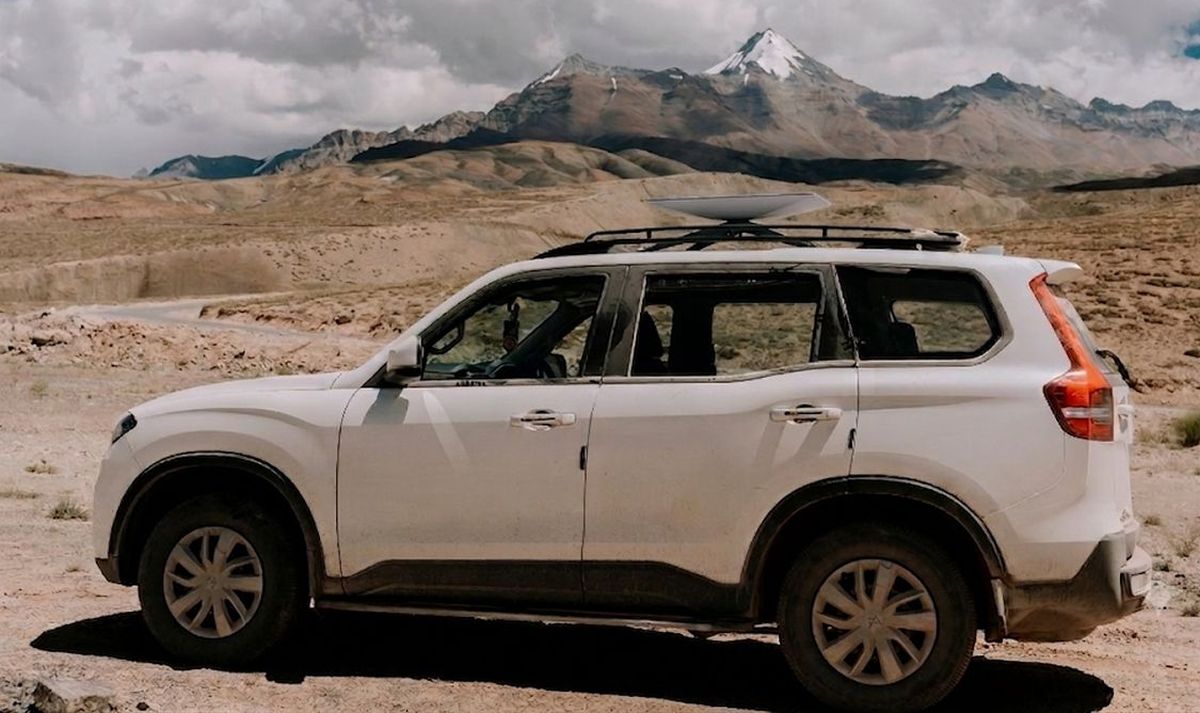
Overlanding and Starlink are a natural fit. The whole point of an overland rig is going places where civilization thins out, and satellite internet that actually works changes what is possible at a remote camp whether that means staying connected for work, pulling down weather and trail maps, or just streaming something after dark. The mounting challenge is that overland vehicles take a beating that RVs and boats rarely see: washboard roads, river crossings, rock gardens, dust, and the kind of vibration that works hardware loose over hundreds of miles of trail. This guide covers the best Starlink Mini and Gen 3 mounts for overlanding rigs, built specifically for the demands of off-road travel.
Starlink Overlanding Mounts at a Glance
| Mount | Best For | Dish |
|---|---|---|
| 304 Stainless Steel Magnetic Mini Mount | Steel roof panels, quick-deploy camp setups | Starlink Mini |
| Aluminum Frame + Acrylic Shield Magnetic Mount | Trail use, brush and debris exposure, hail-prone terrain | Starlink Mini |
| Ybervont Gen 3 Flat Magnetic Quick-Release Kit | Gen 3 users, protective enclosure, drive-and-deploy | Starlink Gen 3 |
| XLTTYWL 320lb Magnetic Mobility Roof Mount | Gen 3, digital nomads, maximum magnetic hold | Starlink Gen 3 |
We also cover Starlink mounting for other use cases across the MountGuys network. See our guides to Starlink mounts for RV and vehicle use, Starlink mounts for boats, Starlink mounts for home and apartments, and Starlink mounts for trucks. All four articles plus this one are organized in our Starlink mounts hub. If you also need a phone or tablet mount for your overland rig, our overlanding phone mount guide covers that separately.
What Overlanding Demands From a Mount
The overland environment is harder on hardware than almost any other use case in this category. A magnetic mount that holds fine on a smooth highway at 70mph faces a completely different set of forces on a corrugated dirt road at 25mph, where sustained vibration cycles through the entire chassis continuously. Add dust, mud, river water, and the occasional low-hanging branch, and you have conditions that eliminate most consumer-grade options quickly.
The mounts in this guide address those demands in two ways. First, material: 304 stainless steel and anodized aluminum alloy hold up where painted steel and plastic degrade. Second, hold strength: magnetic pull ratings of 220 to 350 pounds are not marketing language on an overland rig — that margin matters when you hit a rock ledge at speed and the whole vehicle pitches sideways. Every mount below uses mechanical magnetic attachment rather than adhesive, suction, or friction, which is the only approach that makes sense on trails.
304 Stainless Steel Magnetic Mini Mount
The most straightforward magnetic solution for the Starlink Mini on a steel roof panel. This mount is built from 304 stainless steel throughout, with four individual magnetic bases each rated at 88 pounds of pull force — 350 pounds total. That rating holds the Mini securely through rough terrain, high-speed gravel, and the kind of lateral shock that comes from hitting a rut at speed. The protective coating resists scratching on painted roof surfaces, which matters for overlanders who care about their paint.
The design is purpose-built for the Starlink Mini with a precision fit that does not require adapters or additional hardware. It works on any ferrous steel surface, which covers most truck roofs, SUV roofs, and steel skid plates or roof panels on purpose-built overland rigs. Setup takes under two minutes and the mount comes off just as fast, which is the right workflow for overlanders who set up and break down camp frequently. The 304 stainless construction handles dust, mud, rain, and UV exposure without surface degradation over multiple seasons of use.
Aluminum Frame + Acrylic Shield Magnetic Mount
This is the mount for overlanders who run through brush, encounter low branches, or camp in conditions where hail, debris, or falling rocks are a realistic concern. The aluminum alloy frame surrounds the Starlink Mini on all sides with a 3.5mm acrylic shield that protects the dish surface from impact without interfering with signal. Stainless steel hardware throughout, four magnetic bases for hold strength, and a carrying handle built into the frame make it as practical in the field as it is protective.
The open rear design maintains access to the Mini’s ports without removing the mount, and the frame is built to accept future add-ons including flagpole adapters — a detail that suggests this was designed by people who actually overland rather than engineers working from a spec sheet. For trail-focused builds where the dish is going to encounter more than just rain and highway wind, the physical protection this mount adds is worth having. It is also the most rugged-looking option in this lineup, which suits the aesthetic of most serious overland rigs.
Ybervont Gen 3 Flat Magnetic Quick-Release Kit
For overlanders running the larger Starlink Gen 3 Standard dish, the Ybervont flat magnetic kit is the most practical no-drill solution. The mount encases the Gen 3 dish in a protective shell — similar to a phone case for a dish — that guards the edges and corners from the impact damage that the bare dish is susceptible to on rough terrain. Magnetic feet provide the hold, and the quick-release design means the dish drops in and lifts out without tools, which is the right system for a camp that moves daily.
The Ybervont addresses a specific Gen 3 vulnerability: the dish edges and corners are exposed on the stock base and can crack or chip if the dish gets knocked against a tailgate, a tree, or another piece of gear during setup and breakdown. The protective shell eliminates that risk without adding significant weight or bulk. For Gen 3 users who want the throughput advantage of the larger dish but need something that can survive the handling abuse of an active overland trip, this is the correct mounting kit.
XLTTYWL 320lb Magnetic Mobility Roof Mount for Gen 3
The XLTTYWL mobility mount brings the highest magnetic hold rating in this lineup at 320 pounds, which is the right margin for a Gen 3 dish on a vehicle that may be moving across rough terrain. The 30-second plug-and-play installation is not just a marketing claim — the system is genuinely designed for digital nomads and overlanders who need to be operational quickly at camp and packed down just as fast when it is time to move. It fits any flat steel surface including van roofs, truck roofs, and SUV roofs without modification.
Compatibility extends to the Standard 4, Standard 4X, and Gen 3 dish variants, which means this mount will continue to work if Starlink updates hardware in the future. The build quality targets the overlanding and extended travel market specifically — not the weekend camper who sets up once and breaks down Sunday afternoon, but the person who moves camp every day or two and needs mounting hardware that keeps up with that pace. For Gen 3 users who want maximum hold strength and the fastest possible setup and breakdown, this is the top pick.
Which Starlink Overlanding Mount Is Right for You
Start with your dish. Mini users should choose between the 304 stainless magnetic mount for a clean, high-strength setup on a steel roof, and the aluminum frame with acrylic shield for rigs that encounter brush, debris, or hail on the trail. The shield version costs a bit more but the physical protection it adds is genuinely useful in active off-road conditions. Gen 3 users should choose between the Ybervont protective shell kit for its edge and corner protection during daily setup and breakdown, and the XLTTYWL mobility mount for maximum magnetic hold strength and the fastest deploy time.
The consistent thread across all four is that magnetic attachment is the correct approach for overlanding. It is fast, it is strong, and it leaves no marks on the roof. The only scenario where a different approach makes more sense is a rig with a full roof rack covering the entire steel panel. In that case, clamp-on options for the rack crossbars are covered in our RV and vehicle mount guide.
Frequently Asked Questions About Starlink Mounts for Overlanding
Will a magnetic Starlink mount hold on rough trails?
Yes, with the right mount. The magnetic mounts in this guide are rated between 220 and 350 pounds of pull force, which is well above what off-road vibration and lateral forces can generate at trail speeds. The key is ensuring all four magnetic bases are seated flat on a clean steel surface before heading onto the trail. Dirt, mud, or a roof rack rail under one base reduces hold strength significantly.
Can I run Starlink while driving on trails?
Starlink Mini is designed for stationary or low-speed use. Most overlanders use it at camp rather than while moving through terrain. The dish self-orients automatically and will reacquire signal quickly once you are parked, so the typical workflow is drive, park, deploy, connect.
What if my overland rig has a full roof rack?
If a roof rack covers the steel roof panel completely, magnetic mounts may not have a flat surface to attach to. Ladder and rack clamp options that grip rack crossbars directly are the right solution in that case. Our RV and vehicle mount guide covers those options.
Do these mounts work with both Mini dish generations?
The Mini mounts in this guide are compatible with both the 2024 and 2025/2026 Starlink Mini. The Gen 3 mounts are designed for the Starlink Standard Gen 3, Standard 4, and Standard 4X dishes. Neither set is compatible with the older Gen 2 rectangular dish.
How do I power Starlink Mini on an overland rig?
The Starlink Mini draws around 30W and can run directly from a 12V or 24V DC source using the appropriate power cable. Most overlanders with a dual battery or lithium auxiliary setup power it directly without an inverter. The Gen 3 requires AC power, which means an inverter is necessary on a vehicle electrical system. See our guides on Starlink ethernet, pwer and extension cables and Starlink Mini Power Adapters for RV, trucks and boats.