
If your Starlink Mini keeps rebooting, losing signal, or refusing to power on at all in your vehicle, the problem is almost never the dish. It is the power. A Starlink Mini car adapter is not optional gear for road, RV, or marine use. Starlink Mini is engineered to run on a steady 30V/2A/60W supply, and a plain cigarette lighter socket in most vehicles only delivers 12V to 24V. That gap is exactly what causes the dropouts, and it is why a dedicated step-up adapter matters more here than it would for almost any other 12V accessory.
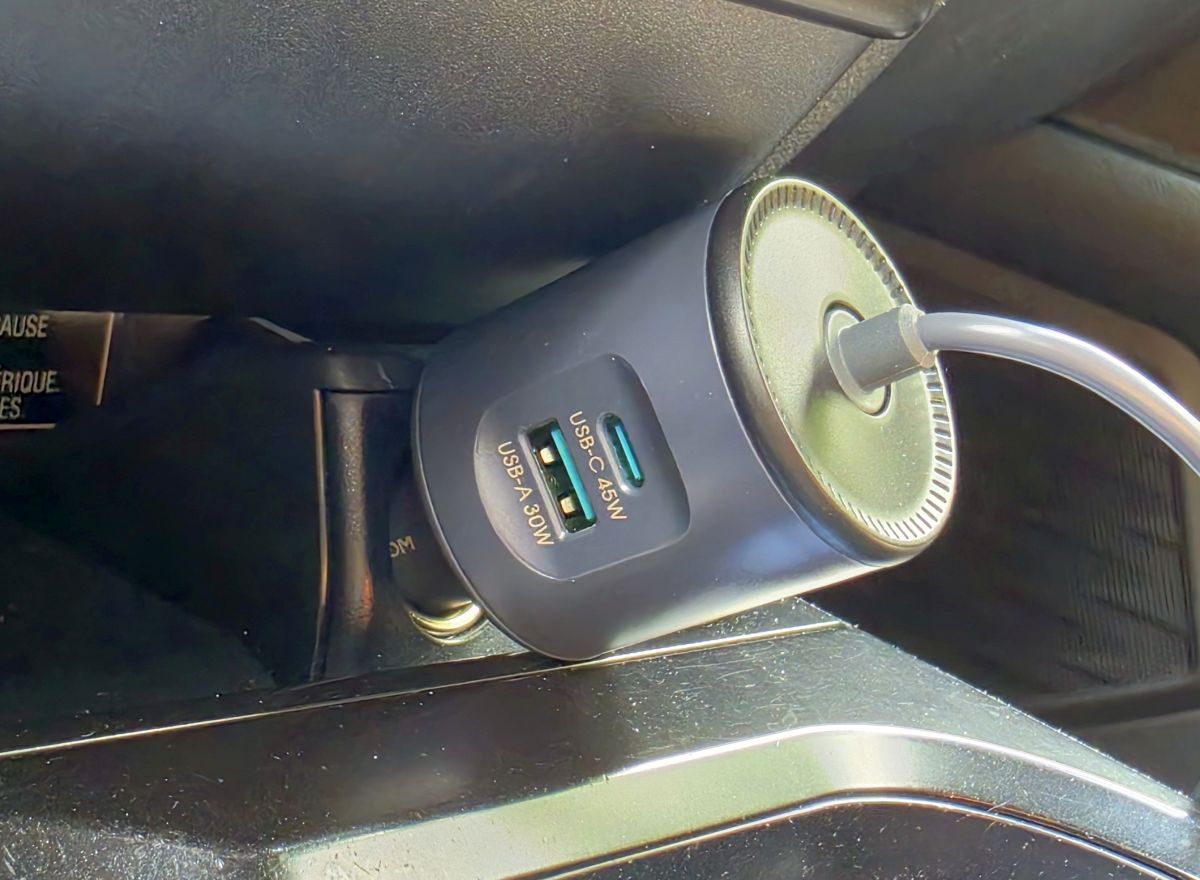
This guide covers four adapters built around that 30V requirement, each suited to a different situation: multi-device charging, budget setups, marine and long-cable-run installs, and permanent panel installations for RVs and vans. We also cover a small but genuinely useful cable-routing trick for anyone running power through a window or door, and one scenario where you might not need a separate adapter at all.
| Adapter | Best For | Output |
|---|---|---|
| Lumaventra 30V Multi-Port Adapter | Charging multiple devices at once | 30V Step-Up + Multi-Port Charging |
| Strotime 105W Boost Adapter | Budget-conscious setups | 105W DC + 30W USB |
| STARGEAR 3-in-1 Long-Cable Adapter | Boats and marine, long cable runs | 60W, supports 50M cable |
| STARGEAR Panel-Mount Socket | Permanent RV or van installs | Hardwired, panel-mounted |
Why a Starlink Mini Car Adapter Matters More Than You Think
Starlink Mini is designed around a specific power target: 30V at 2A, for a maximum of 60W. A standard vehicle cigarette lighter socket puts out 12V, and even with your engine running you are rarely seeing more than 14V. Feed the Mini less than what it wants and the results show up fast: repeated reboots, weakened signal, and in some cases premature wear on the internal power circuitry. A Starlink Mini 30V adapter solves this by stepping the incoming vehicle voltage up to the level the dish expects, rather than just passing whatever the socket gives it straight through.
This matters just as much for RVs, trucks, and boats as it does for passenger cars. If you are still working out where the dish itself will live, our guides to Starlink RV mounts, Starlink boat mounts, and Starlink truck mounts cover mounting hardware for each of those situations.
Lumaventra 30V Multi-Port Adapter: Best for Multi-Device Charging
This adapter uses a dedicated step-up module to convert 12V or 24V vehicle power into a stable 30V output, matching Starlink Mini’s actual power target rather than settling for a partial boost. That distinction matters: a lot of adapters in this category cap out around 24V, which cuts down on reboots but still leaves the Mini running under-spec. Here, the dish gets its own dedicated DC interface, separate from the additional high-speed charging ports built into the same unit, so plugging in a phone or tablet does not compete with the Mini for power.
It is a plug-and-play fit for any 12V or 24V cigarette lighter socket, with no wiring or tools involved, and the housing is built for the kind of extended outdoor use RV and truck setups put it through. Between the correct 30V output and the added charging ports, it is the pick here for anyone who wants the Mini powered properly and a couple of devices charging alongside it.
Strotime 105W Boost Adapter: Best Budget Pick
If you do not need the dual USB charging setup, this adapter strips the feature list down to what actually keeps the Mini running: a 105W boost output and a digital voltage display, without the extra USB-A port taking up space or adding cost. The higher wattage ceiling gives it some headroom over the Mini’s 60W requirement, which is useful if your vehicle’s electrical system runs a little inconsistent at idle.
The tradeoff is a single USB port instead of two, so it is better suited to a setup where the adapter’s only job is powering the Mini and maybe one phone, rather than a full multi-device charging station on the dash.
STARGEAR 3-in-1 Long-Cable Adapter: Best Starlink Mini Boat Power Adapter
Marine installs create a problem the other adapters on this list are not built for: distance. Running a Starlink Mini from a helm or console power source to a mast, arch, or pushpit mount often means a much longer cable run than any car or RV setup needs, and voltage drop over distance is real. This adapter supports up to a 50-meter cable run at 16AWG, which gives boat owners the reach to route power from a below-deck battery bank to a masthead or arch-mounted dish without the voltage sagging below what the Mini needs by the time it arrives.
It carries the same dual USB port setup as the other 3-in-1 units here, so it doubles as a charging point at the helm. For dish mounting options that hold up to salt air and constant vibration, see our guide to Starlink boat mounts.
STARGEAR Panel-Mount Power Socket: Best for a Permanent Install
The first three adapters on this list all plug into an existing cigarette lighter socket. This one is a different category entirely: a panel-mount power socket that installs through a wall or dash panel via a standard cutout, giving you a dedicated, permanent Starlink Mini power point rather than a plug-in accessory competing for socket space. That is the right call for RV owners and van-lifers doing a proper built-in install, where the Mini’s power supply should live behind the panel rather than dangling from an adapter that gets unplugged every time someone needs the socket for something else.
Because this is a hardwired install rather than a plug-and-play adapter, it is worth reviewing your RV’s existing 12V wiring setup before starting. Our Starlink RV mount guide and overlanding mount guide both cover dish placement for exactly this kind of permanent build.
Tip: Routing Cable Through a Window or Door
If your setup means running the Starlink Mini’s power cable through a window or door gap rather than a drilled hole, a standard round DC cable is a bad long-term option. Closing the window on it repeatedly compresses and can permanently deform the rubber weather seal over time. A flat, low-profile cable avoids this entirely. STARGEAR’s flat hidden DC power cable is built for exactly this, at roughly 2mm thick, so the window or door closes cleanly without pinching or denting the gasket.
Do You Even Need an Adapter? Starlink Mini USB-C Power
If your vehicle already has a 100W USB-C PD port built in, whether factory-installed or added through an aftermarket unit, you may not need a step-up adapter at all. Starlink Mini’s official USB-C cable can negotiate power directly from a sufficiently powerful USB-C PD source without an intermediate converter. The catch is that the port has to genuinely support 100W PD output. Lower-wattage USB-C ports common in older vehicles or basic aftermarket chargers will not deliver enough power, and the Mini’s cable includes a status light that turns red if the connection cannot supply what it needs. Check your vehicle’s or charger’s actual PD wattage rating before assuming you can skip the adapter.
Starlink Mini Car Adapter FAQ
Why does my Starlink Mini keep restarting in my car?
This almost always comes down to insufficient voltage. A standard cigarette lighter socket supplies 12V to 24V, well short of the 30V/2A/60W the Mini is built to run on. A dedicated step-up adapter closes that gap and stops the restart cycle.
Can I use any 12V to 30V adapter with Starlink Mini?
Stick with adapters specifically designed for Starlink Mini’s power profile. Generic voltage boosters not built for this exact output can under-deliver, overheat, or in worse cases damage the dish’s internal power management.
Do I need a different adapter for a boat versus an RV?
Not necessarily a different type, but cable length matters more on boats. Longer runs from a below-deck power source to a mast or arch mount need an adapter rated for longer cable distances to avoid voltage drop, which is why a long-cable-capable option is worth prioritizing for marine setups.
Is a panel-mount power socket harder to install than a plug-in adapter?
Yes, since it requires a physical cutout and wiring into your vehicle or RV’s 12V system rather than plugging into an existing socket. It is the right tradeoff for a permanent installation, but a plug-in adapter is the simpler choice for anyone who wants power up and running the same day.
Whichever setup fits your vehicle, the core requirement does not change: get the Mini a stable 30V, and the reboot and dropout problems that come from underpowering it disappear. From there, it is really just a question of how permanent you want the install to be and how far the cable needs to travel.