
SiriusXM comes built into most new vehicles, but plenty of drivers are still running standalone receivers in older cars, work trucks, RVs, and aftermarket stereo setups. If that’s you, the most common question is whether you really need to mount the antenna on the roof to get a clean signal. This article focuses on SiriusXM antenna mounts inside the vehicle.
You don’t. Getting a SiriusXM antenna inside your car set up correctly comes down to placement and a proper mount, not exterior exposure. As long as the antenna has a reasonably clear path to the sky through glass, reception holds up just fine, and you skip the drilling, the exterior wiring, and the risk of a roof leak down the road.
This guide walks through how SiriusXM reception actually works, the best interior mounting locations, which spots to avoid, the mounts we recommend, and how to keep the cable routed cleanly once everything is in place.
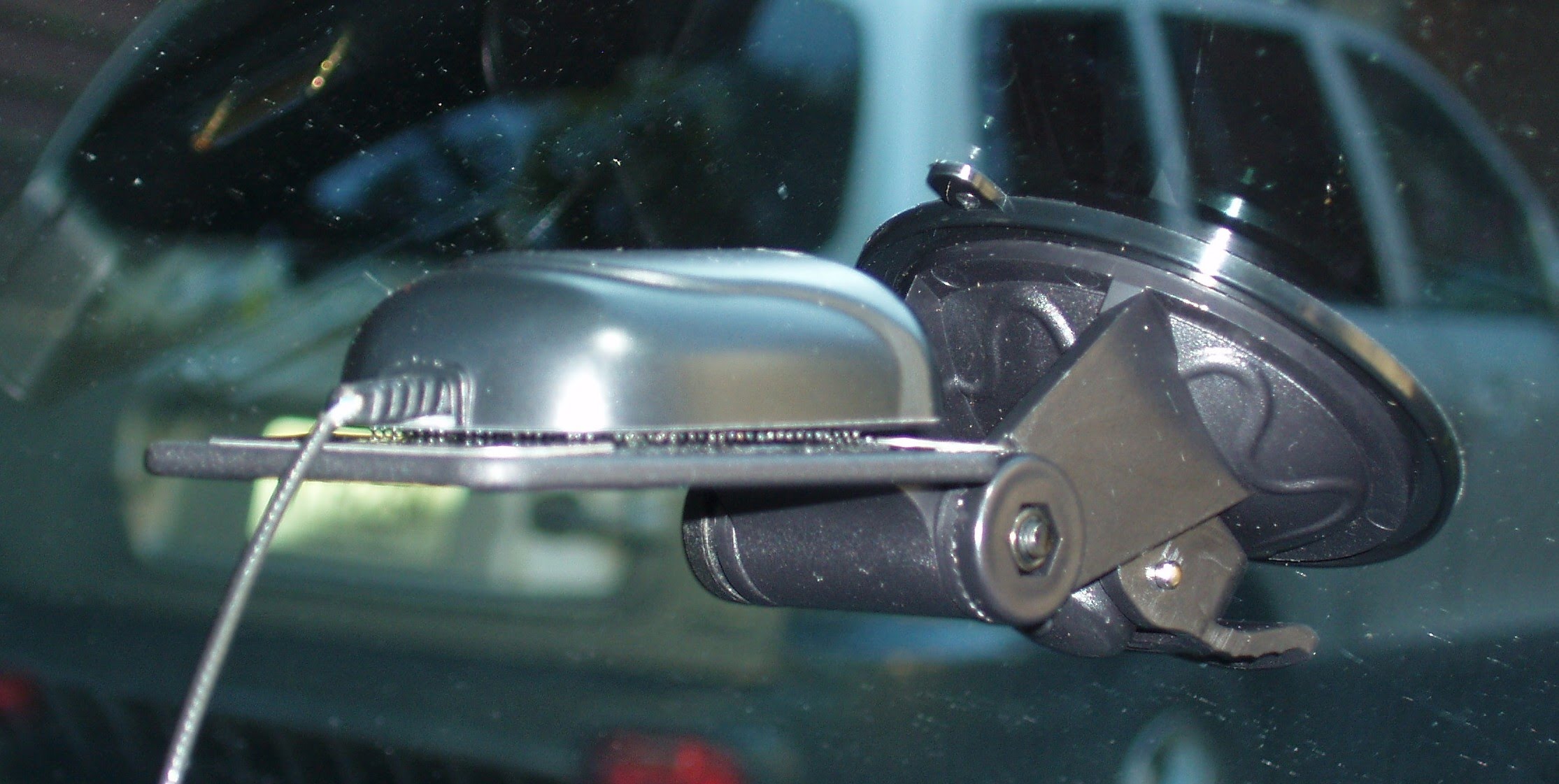
Table of Contents
| Mount | Best For | Installation |
|---|---|---|
| Windshield Suction Mount with Steel Plate | Strongest, most reliable reception | No drilling, suction cup plus magnetic base |
| Salex Adhesive Metal Disc (Dash Mount) | Drivers who want to keep the windshield clear | 3M adhesive disc plus metal base |
| Wilson Flat Mount for Magnetic Antennas | Trucks, RVs, and marine cabins | Screw-down flat base, plated for corrosion resistance |
Can You Mount a SiriusXM Antenna Inside Your Car?
Yes. Getting a SiriusXM antenna inside your car to perform well isn’t about being outdoors, it’s about having a reasonably unobstructed path through glass. Windshields, rear windows, and glass sunroofs all pass satellite signal well enough for reliable playback in the large majority of vehicles.
Interior spots that usually work well:
- High on the windshield
- Dashboard, close to the base of the windshield
- Rear package shelf beneath the back glass
- Beneath a glass sunroof
How SiriusXM Antennas Actually Work
SiriusXM relies on a mix of orbiting satellites and ground-based repeaters, so the antenna just needs a workable view of the sky rather than a direct outdoor line to it. Metal roof panels, thick structural pillars, and some metallic window tints can weaken the signal, but ordinary automotive glass, including standard dyed or ceramic tint, barely affects it at all.
This is why interior mounting works so well for the majority of drivers. The antenna doesn’t care whether it’s sitting on top of your roof or six inches below your windshield glass, it only cares about what’s directly between it and open sky.
Best Interior Mounting Locations for a SiriusXM Antenna
1. High on the Windshield (Best Overall)
This is the most reliable interior antenna mount location for the vast majority of cars, trucks, and SUVs. Placing the antenna high on the windshield maximizes sky exposure and keeps the cable easy to tuck behind the A-pillar trim on its way down to the receiver.
- Strongest, most consistent reception of any interior option
- Works in nearly any passenger vehicle regardless of dash shape
- Simple cable routing along the pillar and headliner
2. Dashboard Near the Windshield
If you’d rather keep the glass clear, a dash mount close to the base of the windshield is a solid second choice. Keep the antenna as close to the glass as the dash shape allows, and away from metal trim, speaker grilles, or a dash-mounted defroster vent, which can all interfere slightly with reception.
3. Rear Package Shelf
In sedans, the shelf below the rear window hides the antenna out of sight completely while still giving it a clear path through glass. This is a favorite spot for drivers who don’t want any hardware visible from the driver’s seat.
4. Under a Glass Sunroof
Vehicles with a panoramic glass roof give you another usable option. With no metal directly overhead, reception here is often better than drivers expect, and it keeps the antenna completely out of the way of the windshield and dash.
Locations to Avoid
Not every spot inside the cabin works. Anywhere the antenna is surrounded by metal or sealed away from glass is going to cause dropouts, no matter how good the mount itself is.
- Inside the glove box
- Under the dashboard
- Inside the center console
- Under seats or floor mats
- Behind large metal brackets or the stereo head unit
- Inside the trunk
Why Just Setting the Antenna on the Dash Doesn’t Work
It’s tempting to skip a mount entirely and just set the antenna loose on the dash. It’s quick, but it causes problems fast:
- The antenna slides around under braking and turns
- Cable tension slowly drags it out of the position you originally picked
- It looks unfinished sitting loose on the dash
- Small shifts in position, even an inch or two, can noticeably affect reception
A dedicated mount solves all of this at once, and once it’s installed correctly you shouldn’t have to touch it again.
Recommended Mounts
For most vehicles, a windshield suction mount with a steel plate is the cleanest option. The antenna’s magnetic base attaches securely to the plate, and the whole assembly can be repositioned without any residue or damage to the glass if you ever need to move it.
If you’d rather not mount anything on the windshield, the Salex adhesive metal disc gives you a permanent magnetic surface on the dash itself. It’s designed specifically for magnetic mounts and bases, so it holds up well to daily use and temperature swings.
Drivers in trucks, RVs, or boats often need a more rugged option. The Wilson flat mount screws down to a standard 3/8 inch hole and gives magnetic-base antennas a stable, corrosion-resistant surface that holds up to vibration far better than adhesive alone.
Cable Management Tips
Most SiriusXM antennas ship with a long cable, often 20 feet or more, since they’re designed with roof mounting in mind. Once you’re mounting inside the cabin, that extra length needs somewhere to go besides hanging across your dash.
- Tuck excess cable behind weather stripping or interior trim panels
- Leave a little slack right at the antenna itself so it isn’t under tension
- Bundle extra cable with adhesive cable clips rather than letting it hang loose
- Keep the cable clear of side-curtain airbag deployment zones
- Never pinch the cable under sharp trim edges, it can wear through the jacket over time
A set of small adhesive cable clips makes this part of the install go a lot faster, and keeps the whole setup looking intentional instead of taped together.
Testing Your Installation
Before you commit to a final position and tuck away every inch of cable, spend a few minutes confirming reception:
- Drive in an open area away from tall buildings or dense tree cover
- Listen for dropouts on a few different channels
- Compare reception on city streets against open highway driving
- Reposition the antenna before permanently securing the cable if reception feels weak
Common Problems and Fixes
| Problem | Fix |
|---|---|
| Signal dropouts | Move the antenna higher or closer to the glass |
| Mount won’t hold | Clean the glass or dash surface thoroughly with alcohol before reinstalling |
| Antenna drifts out of position | Secure the excess cable so it stops pulling on the base |
| Weak reception in the city | Try the rear deck location instead of the windshield |
| Reception drops in parking garages or tunnels | Expected behavior, signal returns once you’re back in open sky |
Interior vs. Roof Mounting
A roof-mounted antenna still delivers the strongest possible signal, particularly in rural areas with limited satellite visibility. But for most drivers, an interior SiriusXM antenna mount is more than enough, and it comes with real advantages of its own.
| Factor | Interior Mount | Roof Mount |
|---|---|---|
| Installation | Simple, no drilling | More involved, exterior wiring |
| Weather exposure | None | Full exposure to sun, rain, and car washes |
| Maximum signal strength | Very good | Excellent |
| Removability | Easy, no residue | Leaves a mounting hole |
Frequently Asked Questions
Does SiriusXM work through glass? Yes, in the large majority of vehicles, standard automotive glass passes enough signal for reliable playback.
Does window tint affect reception? Standard ceramic or dyed tint usually doesn’t cause noticeable issues. Metallic tint can weaken the signal since it reflects RF energy.
Can I coil the extra cable? Yes, just avoid tight bends right at the connector, which can stress the internal wiring over time.
Should I shorten the antenna cable? No, it’s better to route and secure the excess than to cut it, since a shortened cable can be difficult to reposition later.
Will tunnels interrupt playback? Yes, that’s expected with any satellite radio setup, interior or roof-mounted, since there’s no line of sight to the satellite at all.
Can I use these mounts for a truck or RV? Yes, the flat screw-down mount is specifically built for that kind of heavier duty use where adhesive alone might not hold up to constant vibration.
Bottom Line
You don’t need to drill a hole in your roof to get solid reception from a SiriusXM antenna inside your car. A windshield or dash mount placed thoughtfully, with the cable routed and secured, gives you nearly all the performance of a roof install without any of the hassle, and it takes less than twenty minutes to set up.
If you’re setting up the receiver itself, our SiriusXM and XM radio mount guide covers the best cradle options, and if it’s going in a sedan or truck, check out our pick for the best SiriusXM radio mount for a car.