
 The nDash Tuner has long been recognized as a powerhouse in the automotive performance world. Known for its ability to deliver high-resolution data logging, custom tuning, and real-time monitoring, it remains a favorite for truck owners and performance enthusiasts alike. However, the hardware’s effectiveness is often limited by its placement. In a high-performance vehicle, you can’t afford to have your tuner sliding across the dash or hanging by a wire. Precision monitoring requires precision mounting.
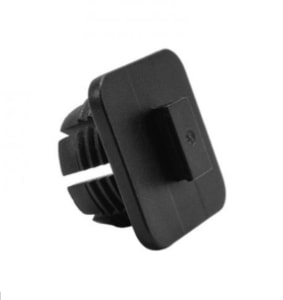
One of the most misunderstood aspects of the nDash is its mounting interface. The device features a proprietary-looking slot on the back, but it actually utilizes a universal industry standard known as the Single T mounting pattern. This guide explores why that matters and how you can leverage a wide array of mounting hardware—originally designed for satellite radios—to create the perfect “cockpit” experience in your vehicle.
The Physics of the Single T Adapter
The “Single T” adapter is a simple but ingenious mechanical connection. It consists of a T-shaped tab that slides into the vertical or horizontal slot on the back of the tuner. Once seated, it creates a secure friction fit that prevents the device from vibrating or shaking loose, even under heavy engine load or off-road conditions. Because this standard was adopted early on by Sirius and XM Satellite Radio, the market is flooded with high-quality, affordable mounting solutions that fit the nDash perfectly. When you are shopping for a mount, you don’t necessarily need to look for “nDash” specific products; searching for “Single T Satellite Radio Mounts” will often yield the same results at a better price point.
1. High-Visibility Windshield and Dashboard Mounts
For most drivers, the windshield is the gold standard for mounting location. It keeps the nDash at eye level, allowing you to monitor boost levels or EGTs without taking your eyes off the road. A premier option for this is the Windshield or Dashboard Car Mount for XM and Single T Pattern Holders.
Modern 2026 iterations of these mounts feature Advanced Gel Suction. Unlike the cheap rubber cups of the past, these use a sticky polyurethane gel that creates an airtight seal on both glass and slightly textured dashboard surfaces. This is critical for modern trucks (like the Ford F-150 or RAM 2500) that have expansive, curved dashboards where traditional suction cups often fail. If you choose to mount on the dash, ensure you use the included adhesive disk and clean the area with isopropyl alcohol. Interior detailing sprays often leave a silicone residue that acts as a lubricant, causing mounts to slide off in the summer heat.
2. The Heavy-Duty Seat Bolt Solution
In the world of heavy-duty towing and off-roading, windshield mounts can sometimes suffer from “vibration blur.” When your truck is idling or bouncing over rough terrain, the long arm of a suction mount can amplify movement. The solution is the Arkon 18-inch Seat Bolt/Floor Mount.
This mount is built for durability. It features a semi-rigid aluminum gooseneck that you can bend into a permanent position. By bolting the base directly to the passenger-side seat rail, you transfer the tuner’s weight to the vehicle’s chassis, virtually eliminating vibration. This setup is particularly favored by long-haul truckers and hot-shotters who need the nDash to stay perfectly still for hours on end. It also keeps the windshield completely clear, which is a major plus for safety and local compliance in states with strict “obstruction of view” laws.
3. Low-Profile Air Vent Mounting
If you prefer a stealthier look that doesn’t scream “aftermarket electronics,” the Air Vent Car Mounting Pedestal is the way to go. This mount uses a dual-prong clip system to grab onto your vent’s horizontal slats. This places the nDash right next to your steering wheel, making it incredibly easy to toggle through screens or clear trouble codes while parked.
A Word of Caution: Air vent mounts are highly convenient but require a sturdy vent system. Avoid using these on circular “airplane style” vents found in some European cars, as they lack the structural slat required to lock the Single T adapter in place. Additionally, during the winter, remember that high-heat airflow directly onto the back of the tuner isn’t ideal for the electronics—try to keep that specific vent closed while the heater is blasting.
4. The 2026 Stealth Pod Revolution
The newest trend in nDash mounting for 2026 is the Custom A-Pillar Stealth Pod. Performance shops are now 3D-printing and molding pillar covers that have the Single T adapter built right into the plastic. This allows for a completely wire-free look, as the OBD-II cable can be routed behind the interior trim. While these are more expensive than a standard suction mount, they offer a factory-finished look that significantly increases the resale value and aesthetic appeal of your vehicle’s interior.
Summary Table: Choosing Your nDash Mount
| Mount Style | Stability Rating | Best Environment |
|---|---|---|
| Suction Cup | Moderate | Daily Commuting |
| Seat Bolt | Extreme | Towing / Off-Road |
| Air Vent | Low | Rental Cars / Temporary Use |
| Pillar Pod | High | Custom Performance Builds |
Final Installation Checklist
Before you finalize your nDash setup, keep these three things in mind. First, cable management is key; use zip ties to secure the OBD-II cable so it doesn’t interfere with your brake or gas pedals. Second, glare reduction: Choose a mount with a ball-and-socket joint so you can angle the screen away from direct sunlight. Finally, security: If you live in an area where vehicle break-ins are a concern, choose a mount that allows for “quick-release,” so you can tuck your nDash into the glovebox when you aren’t in the vehicle.
By understanding the Single T mounting standard and choosing the right pedestal for your specific driving habits, you ensure that your nDash Tuner remains the valuable tool it was meant to be—stable, visible, and ready to perform.