
A proper motorcycle GPS setup is not the same thing as sticking a navigation device onto a car windshield mount and hoping it survives. Bikes create constant vibration, expose electronics to weather, and leave very little room for sloppy placement. A motorcycle GPS mount has to be strong enough to stay put at highway speed, adjustable enough to remain visible, and practical enough that it does not interfere with the bars, gauges, or windscreen.
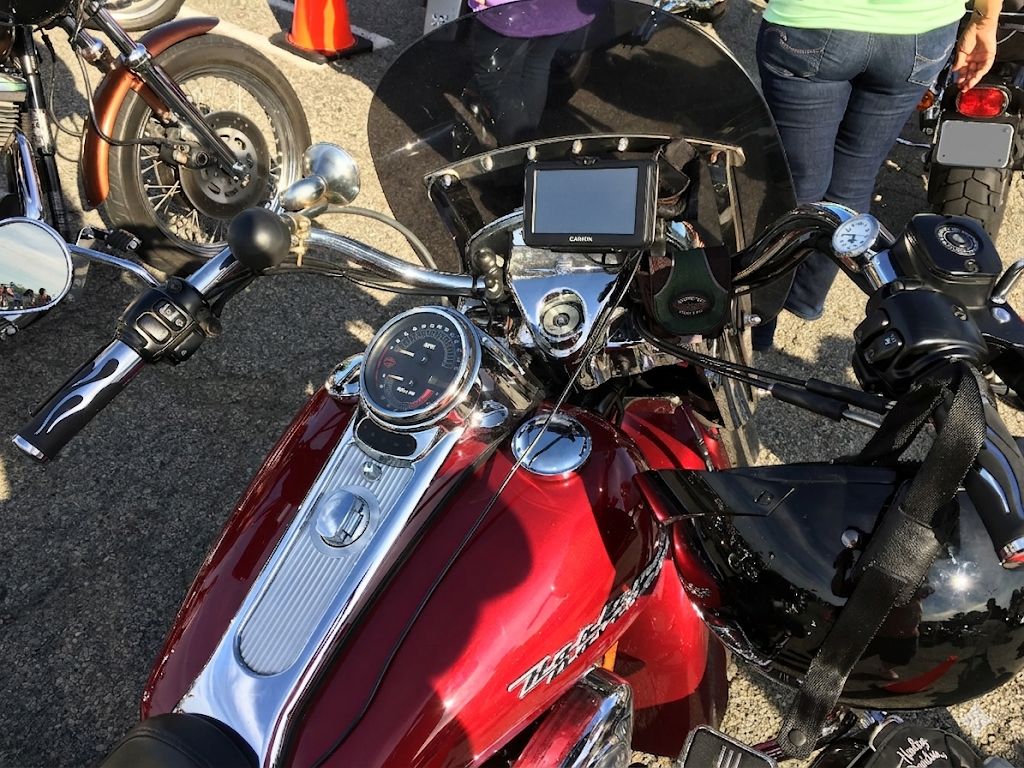
That is why serious riders usually build around proven hardware ecosystems rather than random bargain mounts. For dedicated navigation units, the conversation usually starts with Garmin Zumo devices, the AMPS hole pattern, and a modular mount system like RAM. On smaller or adapted setups, a 17mm ball system such as Techmount can also make sense. The key is understanding which system matches the GPS you are using and the kind of bike you ride.
This guide explains how to mount a motorcycle GPS the right way, where to place it, which hardware actually matters, and which common mistakes lead to shaky, awkward, or short-lived installs.
Why motorcycle GPS mounts are different from car mounts
Motorcycles punish cheap mounts. Even on smooth pavement, the bars and cockpit transmit constant vibration. Add potholes, expansion joints, weather, and wind pressure, and a flimsy plastic setup quickly becomes annoying or unreliable. On top of that, rider ergonomics matter more on a motorcycle. If the GPS sits too low, you have to take your eyes far off the road. If it sits too high, it can block the instruments or clutter the cockpit.
That is why the best motorcycle GPS mounts emphasize three things: mechanical security, visibility, and compatibility. You want a mount that stays tight, a viewing angle you can read at a glance, and a hardware pattern that matches your GPS cradle without forcing weird adapters.
| Mounting system | Best for | Strengths | Watch-outs |
|---|---|---|---|
| AMPS + RAM B-size | Garmin Zumo and other dedicated GPS setups | Very secure, modular, easy to position | More parts to choose from |
| 17mm ball system | Smaller GPS units and simpler cockpit setups | Compact, clean, easy to fit | Generally not as confidence-inspiring for heavy units |
| OEM cradle only | Bike-specific factory mounting points | Good fit when designed well | Limited adjustability without extra hardware |
The most important concept: AMPS pattern mounts
If you are shopping for a dedicated motorcycle GPS mount, the AMPS pattern is the first thing to understand. AMPS refers to a standard four-hole layout used by many professional mounting systems. In practical terms, it gives you a stable, widely supported way to bolt a GPS cradle or plate onto a mounting arm or base.
For motorcycle use, that matters because AMPS-compatible parts give you options. If your Garmin cradle is AMPS-compatible, you can connect it to a RAM plate, then connect that to a RAM arm, then connect that to a handlebar clamp, stem base, or mirror base. Instead of buying one all-in-one mount and living with its compromises, you build a system that fits your bike.
This is also why AMPS keeps showing up in serious GPS installs. It is not marketing fluff. It is simply a practical standard that makes secure mounting easier and more repeatable.
RAM Mounts: why riders keep coming back to them
RAM remains one of the safest places to start because the system is modular and proven. The common motorcycle setup uses a B-size 1-inch ball. That ball connects to a double-socket arm, which then connects to another ball or plate on the GPS side. The result is a setup that is strong, easy to angle, and relatively easy to move from one bike to another if you upgrade later.
The real benefit is flexibility. One rider may need a short arm on a naked bike so the GPS tucks in close to the gauges. Another may need a medium arm to clear a windscreen bracket on an ADV bike. A third may want a stem base on a sport bike rather than a handlebar clamp. RAM lets you solve those problems with compatible pieces rather than starting from scratch every time.
For dedicated GPS hardware, a RAM AMPS plate is often the logical center of the system. It gives you the familiar four-hole standard on the device side and the 1-inch ball ecosystem on the mount side.
Where to mount a motorcycle GPS
1. Handlebar mount
This is the most common solution for a reason. A handlebar mount is simple, broadly compatible, and easy to service. On standard bikes, cruisers, touring bikes, and many ADV setups, it gives you a predictable mounting point without needing specialty hardware. If the bars are not crowded with controls or handguards, this is often the best balance of simplicity and usability.
2. Fork stem mount
Sport bikes and some aggressive naked bikes often benefit from a stem mount. This places the GPS in a centered position that can look cleaner than a handlebar setup. It also helps when the bars do not offer much usable clamp space. The downside is that fitment matters, so you need to verify the stem opening and clearances carefully.
3. Mirror mount
Mirror mounts are useful on scooters, commuter bikes, and motorcycles where the bars are cramped or oddly shaped. They are not always the cleanest visual option, but they can be very practical. If your bars are already busy with controls, a mirror mount can free up the center area and still keep the GPS close enough to glance at comfortably.
4. Crossbar or navigation bar
Adventure and touring bikes frequently have a crossbar or accessory bar near the dash. For a GPS, this can be one of the best possible locations. It brings the screen up into the rider’s line of sight and often reduces the need for a long mounting arm. If your bike has a navigation bar, use it. It usually leads to a cleaner and more premium-looking install.
Best motorcycle GPS mount picks
Best overall building block: RAM Mounts B-size AMPS plate
For riders building a real GPS setup rather than experimenting with disposable hardware, a RAM B-size AMPS plate is one of the smartest core parts to buy. It supports the standard four-hole pattern and plugs directly into the broader RAM ecosystem. That means you can pair it with the base and arm length that actually matches your bike instead of forcing one universal kit to do everything.
View RAM B-size AMPS Plate on Amazon →
Best dedicated motorcycle GPS: Garmin Zumo XT2
If you want a true motorcycle-first navigator rather than adapting car hardware, Garmin’s Zumo series is one of the clearest reference points in this category. It is designed for motorcycle use, including sunlight readability and weather resistance, and it makes the most sense when paired with a proper motorcycle mounting system rather than a generic gadget holder. Even if you already know you want a Zumo, understanding its mount compatibility first will make the installation much smoother.
View Garmin Zumo XT2 on Amazon →
Best compact alternative: Techmount 17mm handlebar kit
If your setup is lighter, or you prefer a cleaner and more compact hardware footprint, a Techmount 17mm system can be a good alternative. This style is not the first choice for every heavy dedicated GPS build, but it can make sense when space is tight or when you are adapting a smaller device. It is especially attractive for riders who want a less industrial-looking cockpit than a full RAM arm setup.
View Techmount 17mm Handlebar Kit on Amazon →
Best sport bike option: Techmount fork stem kit
For sport bikes, a stem-mounted setup is often cleaner and more natural than trying to improvise around limited bar space. A Techmount stem kit is worth a look if that is your cockpit layout. Centered placement usually improves visibility, and the install can look much more intentional than a side-clamped universal holder.
View Techmount Fork Stem Kit on Amazon →
Powering the GPS the right way
A lot of motorcycle GPS articles stop at the mount, but power matters just as much. One advantage of a dedicated motorcycle navigator is that it can be part of a permanent cockpit setup. Instead of worrying about charging a phone or plugging something in every ride, the GPS can be ready whenever the bike is.
In the cleanest setups, the cradle and power lead are installed once and left in place. That makes day-to-day use much easier and reduces the temptation to cut corners with awkward charging cables draped around the bars. If your bike already has a switched accessory circuit or a factory accessory connector, that can lead to an even cleaner result. If not, a careful battery-connected install with proper routing and protection is still much better than improvising every ride.
The Garmin Hardwire Cable is the place to start if you want to hardwire the device. See our full Garmin hardwire guide for step-by-step instructions.
Common mounting mistakes
- Buying a generic mount without checking whether the GPS uses AMPS, 17mm, or another attachment method.
- Using too long an arm, which can increase shake and make the cockpit feel cluttered.
- Placing the GPS so low that you have to look away from the road for too long.
- Blocking the gauges, warning lights, or windscreen adjustment area.
- Ignoring cable routing and ending up with a messy install that rubs, pinches, or looks unfinished.
- Trying to save money on a cheap holder when the mount is the one thing keeping the GPS from bouncing down the road.
How to choose the right setup for your bike
If you ride a standard bike, cruiser, or tourer with normal handlebar space, the safest recommendation is still a RAM-based AMPS setup. It is the most adaptable and usually the easiest to service later. If you ride a sport bike, a stem-mounted layout deserves strong consideration because it often solves space and visibility issues in one move. If you ride an ADV or touring bike with a navigation bar, that can be even better because it places the GPS higher and closer to your natural sightline.
The device matters too. If you are installing a purpose-built motorcycle navigator like a Zumo, build around the cradle and its standard mounting pattern first. If you are experimenting with a smaller device and want a more compact look, a Techmount-style 17mm system can be appealing. The right answer is not one universal mount — it is the combination of bike layout, device type, and viewing position.
Bottom line
The best motorcycle GPS mount is not just the one that fits the device. It is the one that fits the way motorcycles actually work. That means secure hardware, smart placement, and a mounting pattern that gives you room to fine-tune the setup instead of fighting it.
For most dedicated GPS installations, that points back to the same answer: a Garmin-style motorcycle navigator, an AMPS-compatible mounting point, and a RAM-based support system sized for your cockpit. For riders with tighter packaging needs or smaller devices, Techmount’s 17mm options can still be useful. Either way, the goal is the same: a GPS that stays readable, stays secure, and feels like it belongs on the bike.