
OtterBox Symmetry vs Commuter is one of the most common comparisons for anyone who wants solid phone protection without carrying the bulk of a Defender. Add Defender, Profile and Sole to the mix, though, and the differences between OtterBox cases become a lot less obvious.
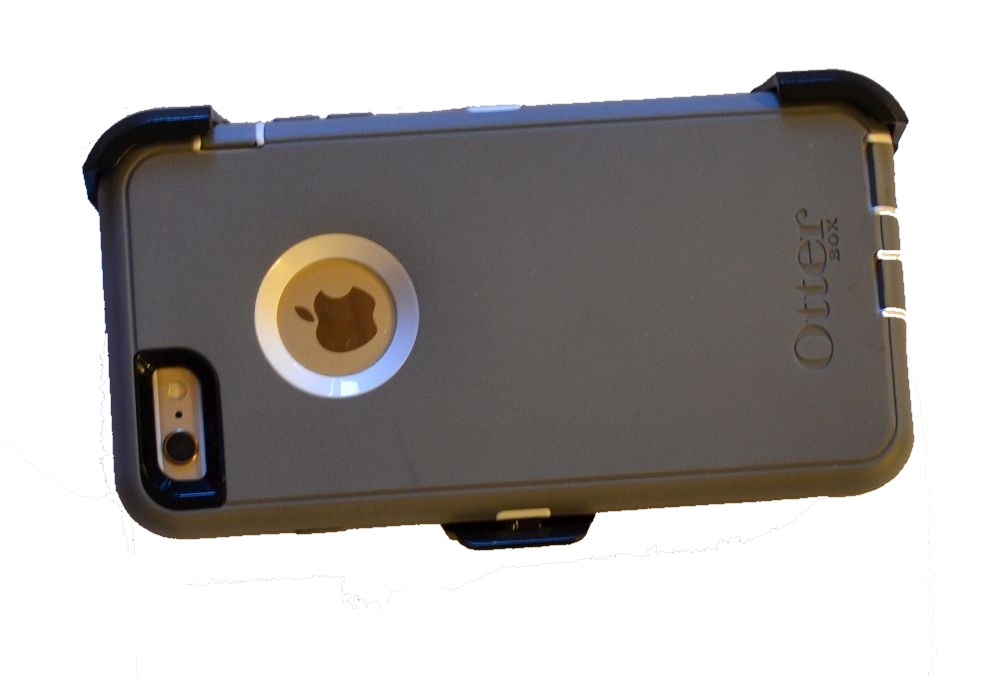
OtterBox now offers case lines built around very different priorities. Symmetry emphasizes a slim one-piece design. Commuter adds another layer of protection without going full Defender. Defender Pro is the rugged choice, while Profile and Sole target shoppers who care more about minimal bulk or appearance.
OtterBox Symmetry vs Commuter vs Defender: Quick Comparison
| Case | Best For | Protection | Bulk |
|---|---|---|---|
| Symmetry | Slim everyday carry | Good | Low |
| Commuter | Best protection-to-size balance | Very good | Medium |
| Defender Pro | Jobsites, outdoor use and frequent drops | Maximum | High |
| Profile | Minimalist carry | Moderate | Very low |
| Sole | Style-focused everyday use | Good | Low to medium |
OtterBox Symmetry vs Commuter: What’s the Difference?
The biggest difference between OtterBox Symmetry and Commuter is how much protection each case builds around the phone.
Symmetry uses a slimmer one-piece design. It is aimed at someone who wants an OtterBox case without making the phone feel substantially larger. Raised edges help protect the screen and camera area, but there is less material between the phone and whatever it lands on than you get with Commuter.
Commuter uses a layered construction that gives the phone more cushioning. That makes it slightly thicker, but it still remains much easier to carry than a Defender Pro.
For most people trying to decide between the two, the choice comes down to this:
- Choose Symmetry if keeping the phone slim is your priority.
- Choose Commuter if protection matters more and you do not mind a little extra thickness.
Commuter is especially appealing if you have dropped phones before but still want something that slips easily into a pocket. Symmetry makes more sense for someone who rarely drops a phone and mainly wants protection against everyday bumps and scratches.
OtterBox Defender vs Commuter
Defender Pro and Commuter target two different kinds of users.
Defender Pro is the case people usually picture when they hear the OtterBox name. It uses a multi-layer build designed to put more material between the phone and the ground. It also adds features such as port protection that make it better suited to dusty environments, outdoor work and situations where drops are more likely.
Commuter gives up some of that protection in exchange for a noticeably more manageable size.
That makes Commuter the better fit for normal everyday use. Defender Pro makes more sense for someone working construction, spending significant time outdoors, carrying a phone on a jobsite or simply wanting as much physical protection as possible.
OtterBox Defender vs Symmetry
Defender Pro and Symmetry sit at almost opposite ends of the OtterBox lineup.
Defender Pro prioritizes impact protection. Symmetry prioritizes keeping the phone slim.
If your phone regularly ends up in a toolbox, work truck, backpack or outdoor environment, Defender Pro makes more sense. If your phone spends most of its time in an office, car, purse or pocket, Symmetry is usually easier to carry.
There is also a major difference in how the phone feels in your hand. Defender Pro adds significant structure around the device. Symmetry feels much closer to the original size and shape of the phone.
For someone moving away from a thick rugged case because it feels cumbersome, Symmetry is the natural alternative. For someone who has broken a phone while using a slim case, Defender Pro moves in the opposite direction.
OtterBox Commuter: The Middle Ground
Commuter occupies the most useful middle position in the lineup.
It is thicker than Symmetry but much less bulky than Defender Pro. The layered construction gives it more cushioning than a typical slim shell, while the overall shape remains practical for everyday carry.
That combination makes Commuter a strong choice for parents, commuters, frequent travelers and anyone who wants more protection without turning the phone into a brick.
Newer versions also support magnetic accessories on compatible phone models, which matters if you use wireless charging or a magnetic car mount.
OtterBox Profile vs Symmetry
Profile and Symmetry are both aimed at people who dislike bulky cases, but Profile pushes the minimalist idea further.
Profile is designed around keeping the phone as thin as possible. Symmetry still feels slim, but it gives you a little more case around the phone and a more traditional OtterBox feel.
That makes the decision fairly simple.
Choose Profile if your main complaint about phone cases is that they make the phone too thick. Choose Symmetry if you still want a slim case but prefer a little more structure around the device.
For someone who almost never drops a phone and mainly wants scratch and everyday impact protection, Profile is appealing. Symmetry is the safer compromise for general use.
Where OtterBox Sole Fits
Sole is aimed at someone who wants more personality from a case.
Instead of emphasizing maximum protection or minimum thickness, Sole places more attention on texture and appearance while still offering the everyday protection expected from an OtterBox case.
It sits closer to Symmetry than Defender Pro in terms of the kind of buyer it targets.
If you are choosing mainly by protection level, Commuter or Defender Pro are easier decisions. If you want a case that feels less tactical and more style-focused, Sole becomes more interesting.
Which OtterBox Case Offers the Most Protection?
Defender Pro is the protection-first choice in this group.
Its thicker construction makes it better suited to repeated drops and rough environments. Commuter comes next for someone who still wants substantial protection but does not need a full rugged case.
Symmetry and Sole are more appropriate for normal everyday protection, while Profile prioritizes keeping the phone thin.
A simple way to rank the five by intended level of protection is:
- Defender Pro
- Commuter
- Symmetry
- Sole
- Profile
That does not mean everyone should buy Defender Pro. More protection also means carrying more material around the phone every day.
Which OtterBox Case Is the Least Bulky?
Profile is the choice for minimum bulk.
Symmetry comes next and is likely to feel slim enough for most people who dislike rugged cases. Sole is also relatively streamlined, while Commuter adds noticeable thickness in exchange for additional cushioning.
Defender Pro is intentionally the largest option of the group.
If pocketability matters more than maximum protection, Profile or Symmetry are the two lines to look at first.
What About MagSafe Car Mounts?
Case thickness matters when you use a magnetic car mount.
Most current OtterBox lines offer magnetic compatibility on supported phone models, but a thicker case can still change how securely the phone sits on some mounts.
That matters most with Defender Pro and, to a lesser extent, Commuter.
If you regularly use your phone on a magnetic dash or vent mount, check the magnetic compatibility of the specific case made for your phone before ordering.
Our best MagSafe car mount guide covers mounting options designed to hold a phone securely through bumps, turns and normal road vibration.
Which OtterBox Case Should You Buy?
For most shoppers comparing OtterBox Symmetry vs Commuter, the decision comes down to whether you value a slimmer phone or additional drop protection.
Choose Symmetry if you want a slim everyday case and are generally careful with your phone.
Choose Commuter if you want better impact protection without carrying something as bulky as Defender Pro.
Choose Defender Pro if you work outdoors, use your phone around tools or equipment, drop your phone frequently or simply want the most protective option.
Choose Profile if minimizing case thickness is the priority.
Choose Sole if you want an everyday protective case with more emphasis on appearance and texture.
For a typical owner who wants protection but still carries the phone in a pocket every day, Commuter is the middle-ground option. Symmetry makes more sense when slimness matters more, while Defender Pro is the one to reach for when protection comes first.